Anthroposophy Arizona
Spiritual Awareness Through Anthroposophy
HE IS RISEN!
- Lecture
- Anthrosophy in Arizona
- HE IS RISEN!
He is Risen!
THE RISEN CHRIST by Matthias Grunewald
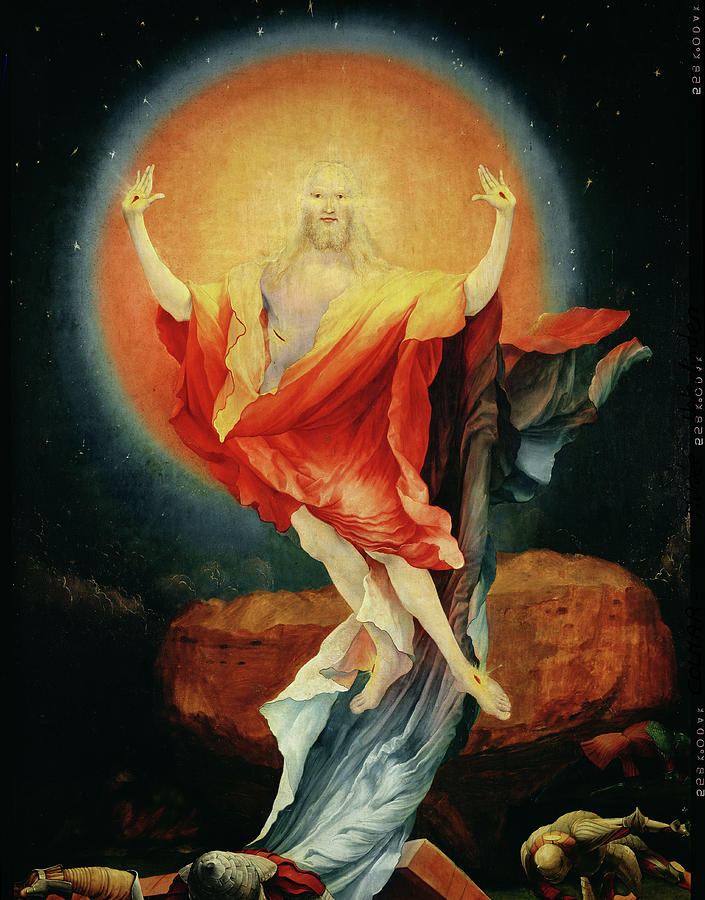
On this Easter morning, we celebrate the resurrection of the Christ!
Attached is a painting, THE RISEN CHRIST by Matthias Grunewald, painted more than 500 years ago. It was commissioned by an Antonite abbott at the turn of the 16th century and mounted in the Isenheim monastery chapel in Colmar, France, as part of a magnificent triptych.
“Standing in front of the altar one experiences the majesty of this triptych. It became a source of hope and healing for hospice patients afflicted by St. Anthony’s Fire, a fatal disease caused by the consumption of contaminated rye. ( Peasants harvesting the rye often contracted this disease.) An icon of heavenly harmony and healing grace, the panting constitutes an antidote to the turbulent stream of our daily concerns in a time of unprecedented global unrest.
“A true work of art is said to perform, of its own accord, the act of transforming the soul of the viewer. This purpose is implicit in the altarpiece. Like other great religious paintings of the Renaissance in which aesthetic and spiritual values are at one, its inherent marriage of beauty and truth is communicated through an inspired combination of color and form.
“The beauty of these biblical images and the mysteries that attend them can leave us breathless in a part of the soul that has not been touched before, inducing a state of wonder, or peaceful calm, and gratitude. This experience of beauty goes beyond words as does the recognition of its underlying truth, a word termed aletheia in the original Greek, which means “unhiddeness”, implying depths to be revealed beyond what meets the eye.”*
Truly, as Goethe stated, “…every color has a direct relationship with something spiritual, and that it is in creating directly out of the play of light, darkness and color that a true painting comes into being.”
We experience this in beholding the presence of THE RISEN CHRIST, as well as the entire assemblage of paintings held within the triptych at Colmar.
*The Isenheim Altarpiece, Michael Schubert, Lillipoh, summer 2018
With bounteous Easter blessing, and love,
Joan